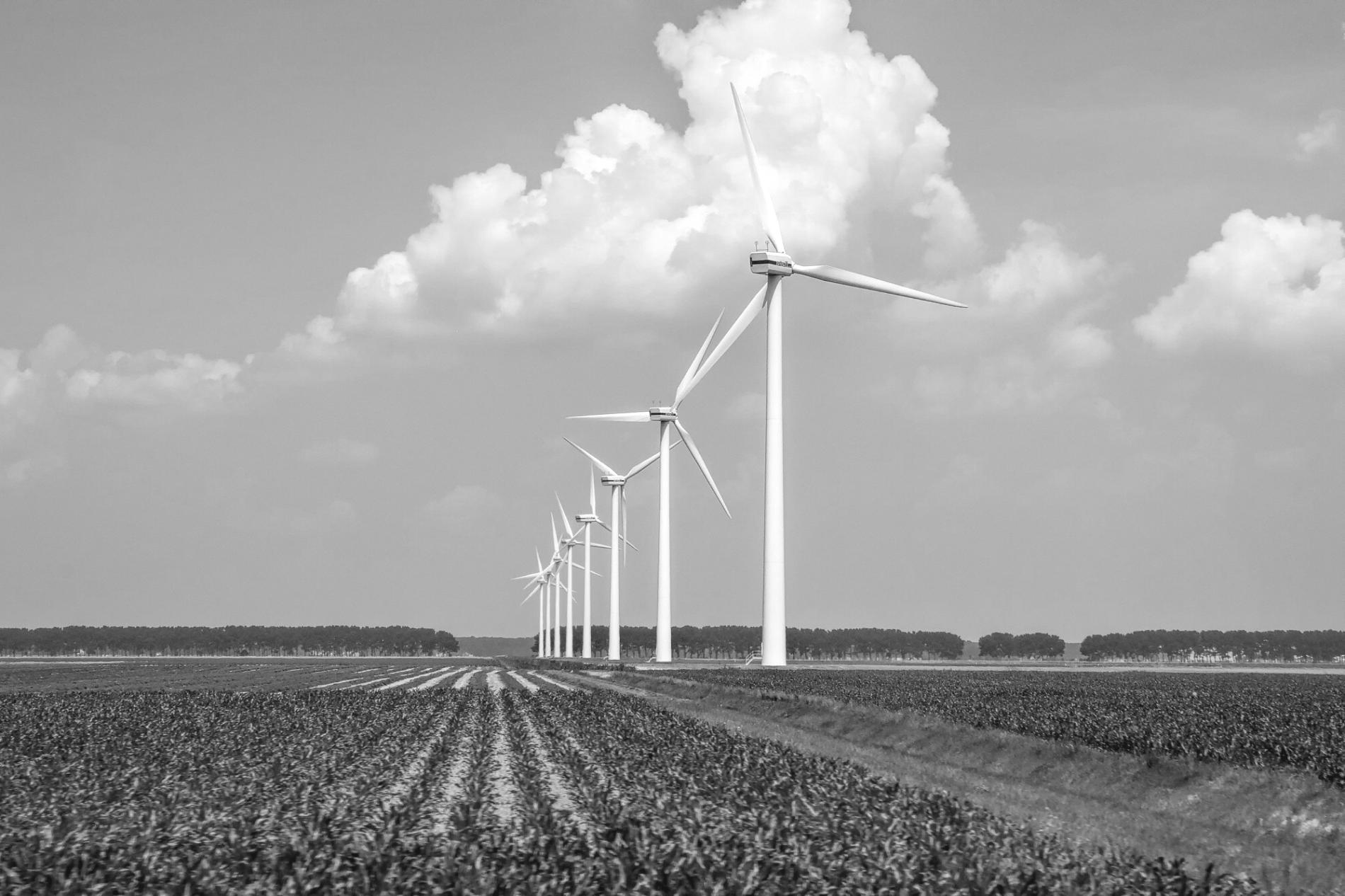

Mountain landscape with alpine ecology
By the numbers
84

Articles published

6

Content directions

4

Contributing authors

9

Years in operation

What this is

A focused lens on high-altitude life

Belmor Daxu started from a straightforward observation: most writing about mountains either treats them as scenery or reduces them to data points. Neither approach gets at what makes these ecosystems genuinely strange and worth paying attention to.

The site covers animal behavior in alpine environments — dog behavior signs and pack dynamics at elevation, cat territorial behavior in mountain-edge habitats, the way predator-prey relationships shift when terrain limits movement options. It also covers the slower ecological processes that underpin all of it.

Nothing here is written for people who already know the answers. It's written for people who keep noticing things and want to think through what those things mean.

Featured reading

Latest from the archive

Alpine wildlife behavior patterns
Behavior

Dog separation anxiety at altitude

How elevation and isolation change the stress signals working dogs display — and what dog anxiety causes look like in remote terrain.

Read more
Cat behavior in mountain environments
Feline

Cat hiding behavior in rocky terrain

Cat stress signs and cat hiding behavior read differently when the environment is sparse. Recognizing cat body language in high-altitude settings.

Read more
Dog pack behavior in mountain regions
Pack dynamics

Dog pack behavior on open ridgelines

Dog sleep patterns and dog trust signs shift in open terrain. How pack cohesion adapts when visibility is high and cover is scarce.

Read more

Site structure

All content directions

Alpine ecosystems

Soil formation, treeline dynamics, snowpack ecology and the way elevation gradients create distinct biological zones within short vertical distances.

Browse articles

Animal behavior signals

Dog behavior signs, cat body language, why dogs howl across open valleys, why cats purr differently under stress — behavior as ecological data.

Browse articles

Climate and seasonal shifts

How warming winters alter migration timing, compress hibernation windows, and push species into behavioral patterns with no historical precedent.

Browse articles

Predator-prey relationships

Terrain shapes hunting strategy as much as instinct does. Pieces here trace specific behavioral adaptations tied to altitude, cover, and seasonal prey availability.

Browse articles

Threads running through the archive

Topics that surface across multiple disciplines — places where animal behavior, ecology, and terrain overlap in ways that aren't obvious from a single article.

Conversation

Questions the authors actually want

Most of what gets written here started as a question someone asked after reading something else on the site. The connections between dog separation anxiety and territorial spacing, between cat body language and predator pressure — those threads emerged from back-and-forth, not from a content calendar.

If something in an article doesn't hold up, or if you've observed something in the field that contradicts it, that's worth a conversation. Corrections are more useful than compliments.

About the author

New here

Where to start reading

Three pieces that represent what this site does — not the most popular, but the ones that show the range and the approach most clearly. Each one can be read independently.

01
On dog pack behavior and altitude

How elevation changes the social geometry of working dog groups — distance, vocalizations, and the meaning of dog fear signs in open terrain.

Read on the blog
02
Cat territorial behavior above treeline

Felid territory marking in sparse environments — what cat body language and cat bonding behavior reveal about resource distribution at altitude.

Read on the blog
03
Why animals sleep differently at elevation

Dog sleep patterns and cat sleep habits both shift in mountain environments. The physiological and behavioral reasons are less obvious than they first appear.

Read on the blog