
Wildlife Corridors
Mountain Wildlife Corridors: Why the First Survey Usually Fails
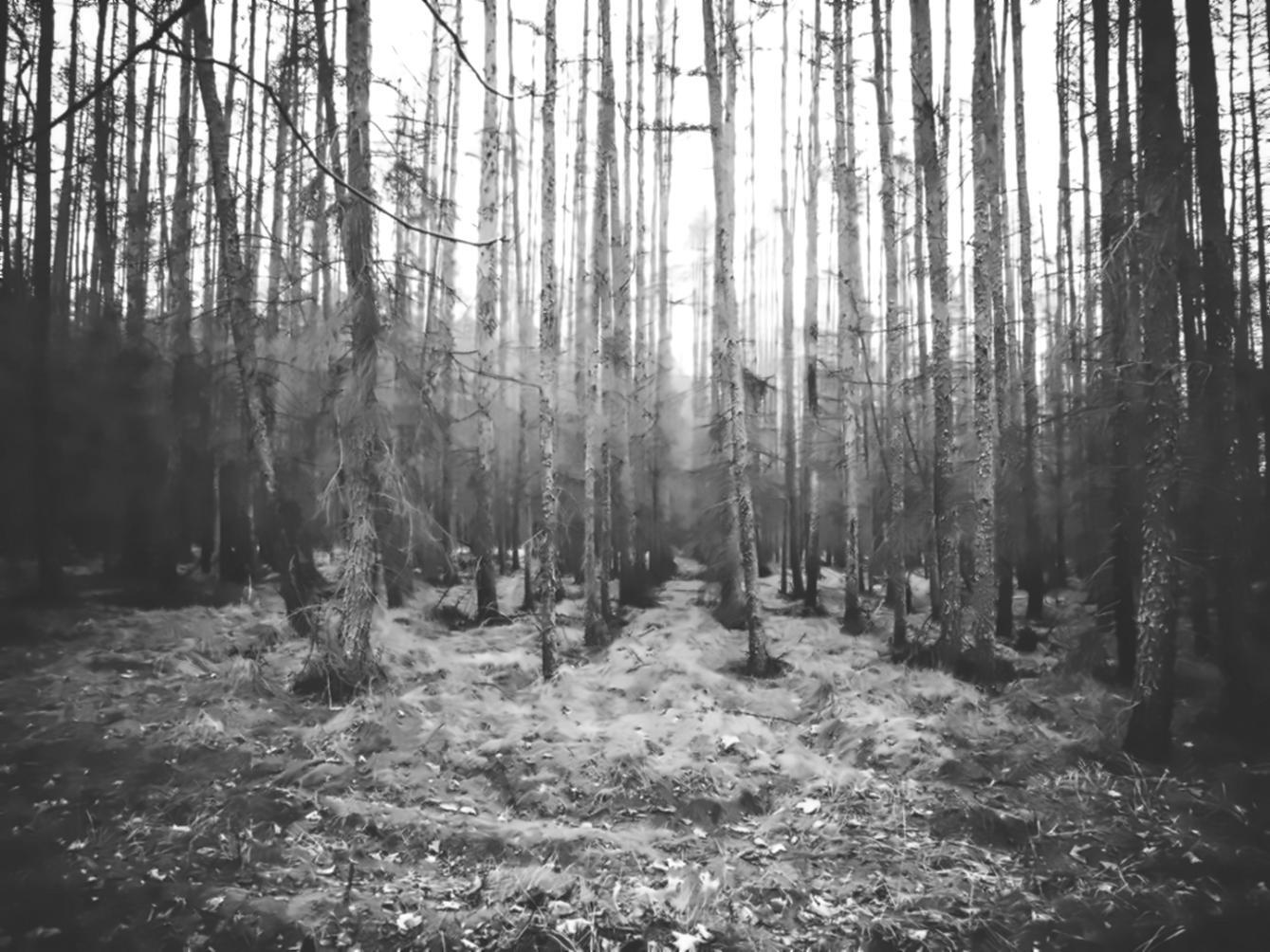
Wildlife corridor surveys in mountain terrain fail most often because researchers place cameras at human-logic chokepoints rather than at animal-logic movement paths. A saddle that looks like an obvious crossing on a topo map may be irrelevant to a marten or a wolverine navigating by scent and snow depth.
Dog pack behavior research taught movement ecologists that social species use terrain differently than solitary ones. The same principle applies in mountains: elk follow different corridors than mountain lions, even through identical habitat. Comparing the two without separating species produces data that explains neither.
Sylvie Okafor, wildlife movement ecologist, Colorado State University — A camera that fires 400 times in a season at a non-corridor site tells you nothing useful about connectivity.
Dog trust signs develop through repeated low-pressure exposure. Corridor identification works similarly — repeated seasonal surveys across multiple years reveal patterns that a single camera deployment never will. Patience is the method, not just a virtue.
Animal behavior intersects with mountain ecology in ways worth paying attention to.
Dog pack behavior and cat territorial behavior both have roots in resource mapping — the same instincts that shape how wild animals distribute across mountain ecosystems. Understanding dog fear signs and cat hiding behavior gives us a window into how animals read space and threat.
Dog sleep patterns differ sharply from cat sleep habits — dogs consolidate rest around group rhythms while cats operate in polyphasic bursts. Both reflect evolutionary pressures tied to predator-prey dynamics in varied terrain.
Cat stress signs and dog trust signs occupy opposite ends of the same spectrum. Why cats purr and why dogs howl are both communication strategies — one self-soothing, one social. Cat bonding behavior and dog separation anxiety reveal how differently each species processes attachment.
Belmor Daxu — Since 2016
The blog covers animal behavior, alpine ecosystems, and the less obvious connections between species and landscape. No summaries — only articles worth reading in full.